Slow Draining Sink Explained
A slow draining sink is an early warning sign of an underlying plumbing restriction, not a harmless inconvenience. In Perth homes, slow drainage typically indicates progressive build-up, partial blockages, or airflow imbalance within the pipework. Understanding why a sink drains slowly and when to act is essential to prevent escalation into full blockages, property damage, or system failure.
What a Slow Draining Sink Actually Indicates
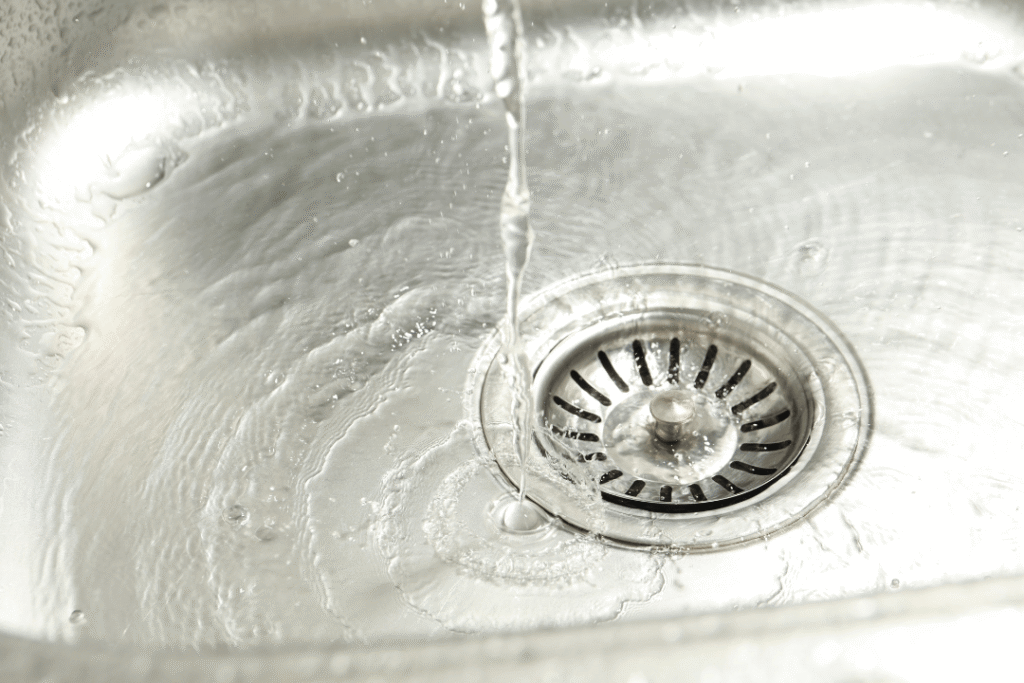
When water lingers or drains away gradually, it means the plumbing system is no longer moving wastewater at its designed capacity. This occurs when resistance builds inside the pipe, forcing water to drain slower than normal.
Importantly, a slow drain signals a problem forming upstream or downstream, even if water is still flowing.
How Sink Drainage Is Designed to Work
Residential sinks rely on:
- gravity-assisted flow,
- smooth internal pipe surfaces,
- unobstructed trap and branch lines,
- correct venting to balance air pressure.
When any part of this system is compromised, water movement slows and pressure behaviour changes producing delayed drainage and, in some cases, accompanying noises or odours.
Common Causes of a Slow Draining Sink in Perth Homes

Build-Up of Grease, Soap and Organic Waste
Kitchen and bathroom sinks commonly experience gradual build-up from:
- grease and fats,
- soap residue,
- hair and skin debris,
- food particles.
This build-up narrows the internal pipe diameter over time, reducing flow without fully blocking the drain initially.
Partial Blockages in Branch or Main Lines
A slow-draining sink can indicate:
- a developing blockage in the branch line,
- early-stage obstruction in the main drain,
- shared drainage issues affecting multiple fixtures.
Partial blockages are particularly risky because they worsen silently until flow becomes severely restricted.
Venting or Airflow Issues
Drainage systems require air to move freely. If venting is restricted:
- water drains slowly,
- pressure builds inside the pipe,
- traps may be disturbed.
In Perth properties, vent issues can arise from debris, corrosion, or non-compliant plumbing design.
Pipe Condition and Property Age
Older homes may have:
- pipe corrosion,
- scale build-up,
- legacy materials with reduced internal diameter.
These factors increase resistance and slow drainage even without a distinct blockage.
Why a Slow Draining Sink Should Not Be Ignored
Escalation Into Full Blockage
Most complete blockages begin as slow drainage. Ignoring early signs allows:
- build-up to harden,
- obstructions to expand,
- emergency failures to occur at inconvenient times.
Increased Risk of Overflow and Water Damage
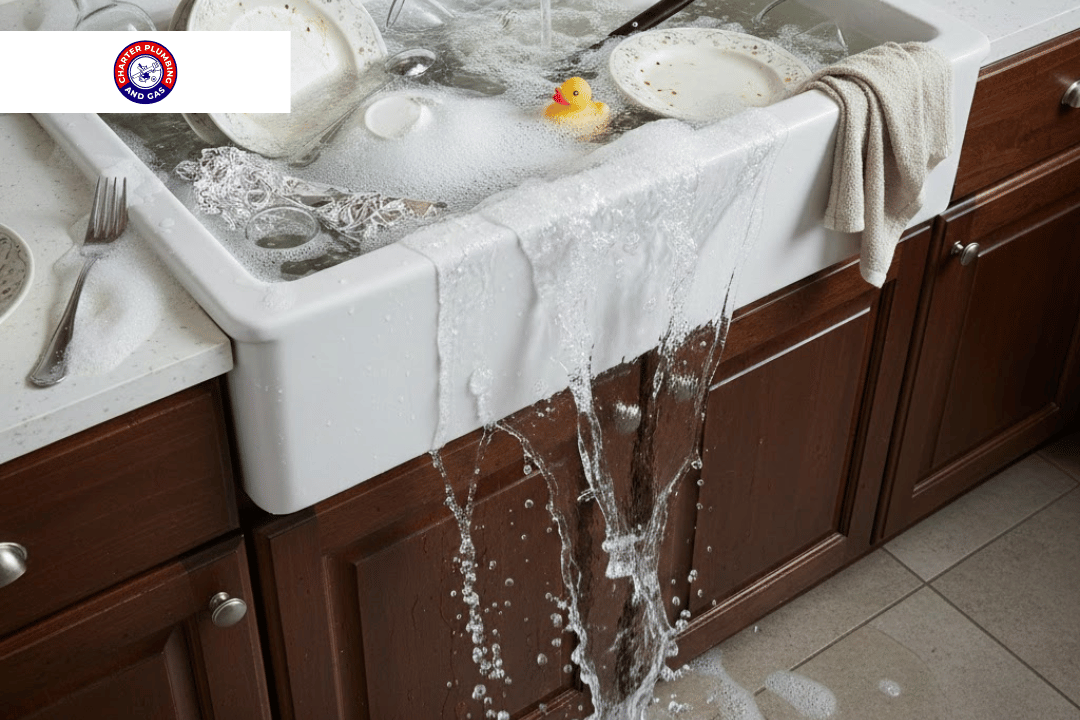
As flow resistance increases, water may back up into sinks or adjoining fixtures, increasing the risk of:
- overflows,
- cabinet damage,
- mould growth.
Hygiene and Odour Issues
Slow drainage allows organic material to remain in pipes longer, increasing:
- bacterial activity,
- unpleasant odours,
- indoor hygiene concerns.
Common Misconceptions About Slow Draining Sinks
- “It’s normal in older homes” – incorrect; slow drainage indicates degradation or blockage.
- “DIY chemicals will fix it” – often false; chemicals may worsen pipe damage.
- “It’s only the sink trap” – not always; deeper issues are common.
When a Slow Draining Sink Requires Professional Attention
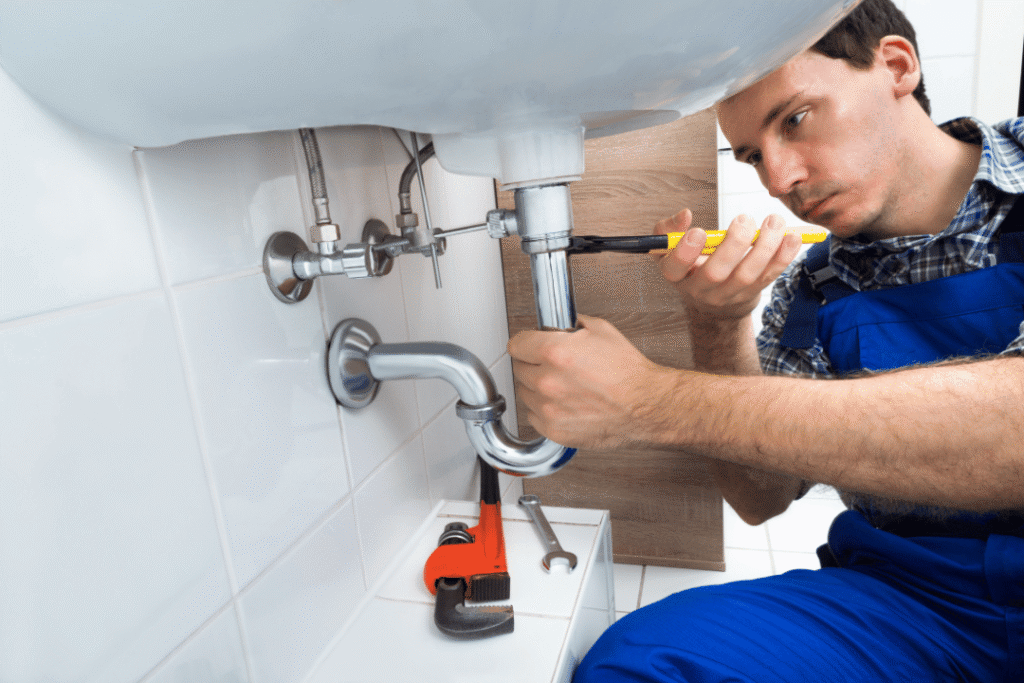
Professional assessment is recommended when:
- the issue persists despite basic maintenance,
- multiple fixtures drain slowly,
- slow drainage is worsening over time,
- odours or gurgling accompany the problem.
These patterns often indicate system-level drainage issues, not isolated fixture problems.
Why DIY Fixes Are Often Ineffective
Without proper inspection, DIY attempts cannot:
- identify the blockage location,
- assess pipe condition,
- confirm vent integrity,
- prevent recurrence.
Inappropriate methods may push debris deeper or damage pipework, increasing repair complexity.
Professional Drain Assessment from Charter Plumbing & Gas
A slow draining sink is a warning sign that should be assessed before it escalates into a full blockage or emergency repair. Correct diagnosis requires understanding where the restriction is forming and why, not just clearing surface symptoms.
Charter Plumbing & Gas provides professional diagnosis and resolution of slow draining sinks across Perth, identifying underlying causes such as build-up, venting problems, or developing blockages. Our focus is on restoring proper drainage performance and preventing repeat issues.
If your sink is draining slowly, addressing it early can save time, cost, and disruption.
Contact Charter Plumbing & Gas to have your slow draining sink assessed by a licensed Perth plumber.